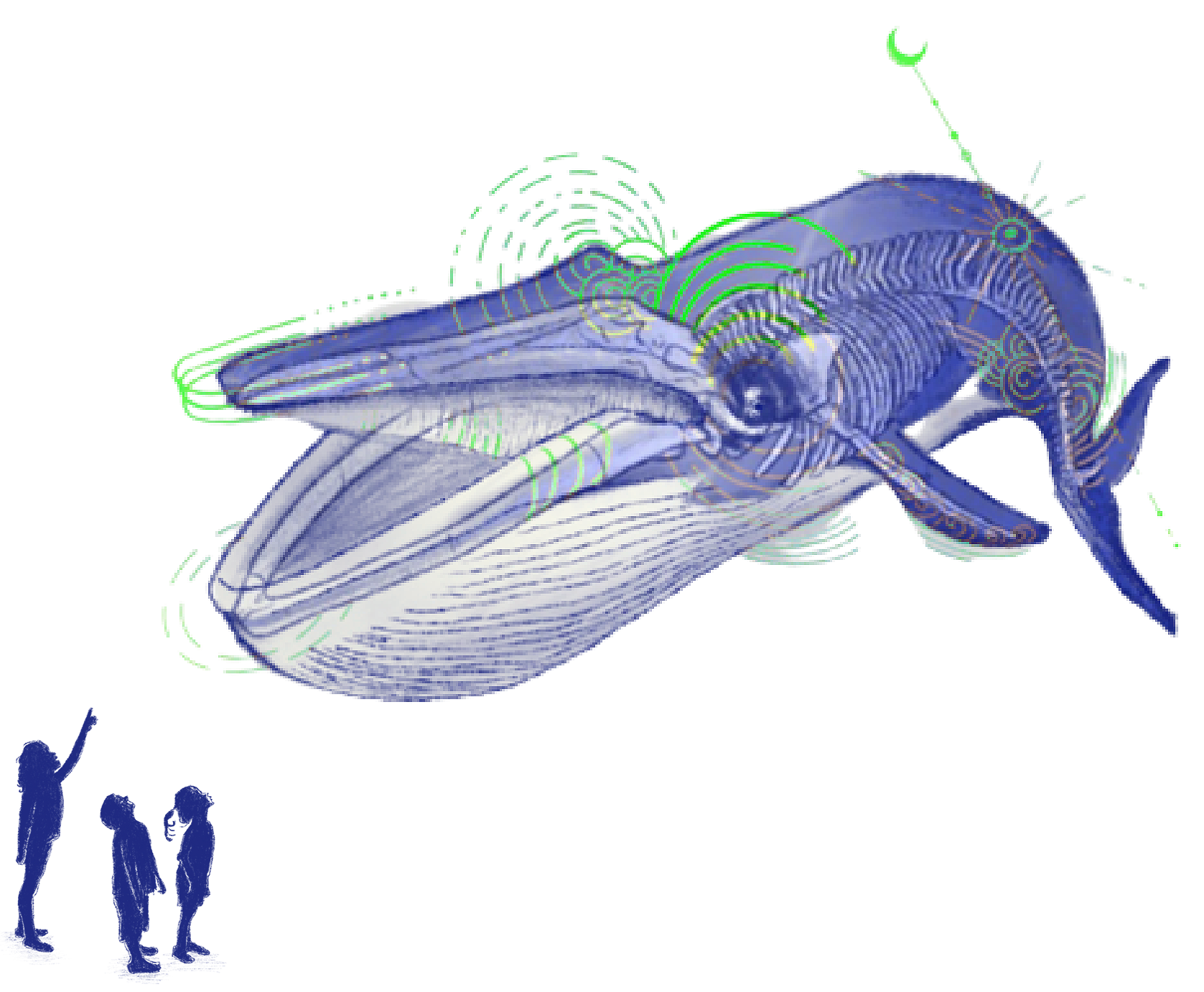
As this disconnection grows, our empathy and understanding for the natural world fades, and nature’s agency is lost in our minds, societies and decision-making.
We’re pioneering a new medium of engagement with nature: simulating nonhuman perspectives through Al to enable first-person conversations with the diversity of life.

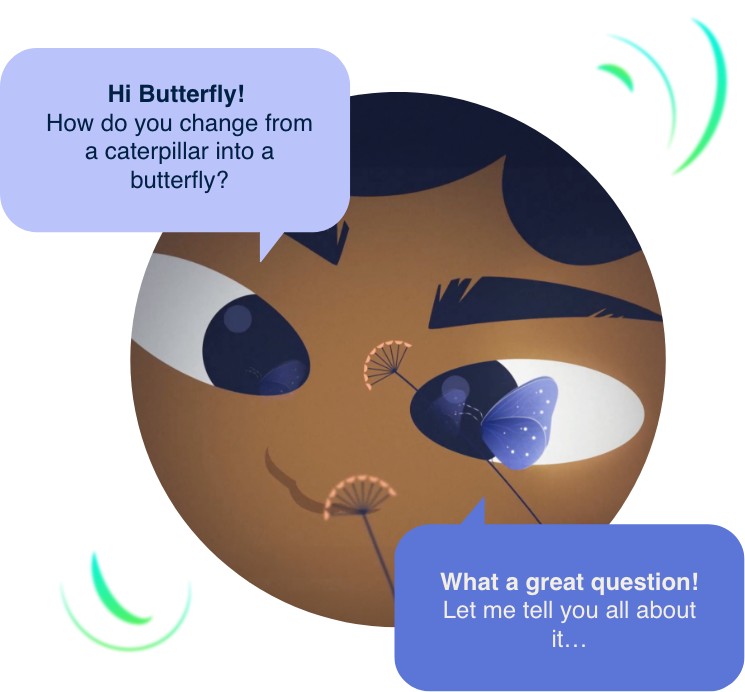
Through rigorous experimentation, we’ve realised these models’ unprecedented capability to foster connection through conversation: reshaping worldviews, igniting curiosity and turning apathy into renewed empathy towards nature.
For the first time, we enable meaningful conversations with the natural world, allowing people to imagine and relate to the lived experiences of other beings.
With a mission to foster profound connections with the natural world, promote nature’s agency within our societies, and spark new scientific endeavours, we apply this transformative approach across a broad spectrum – from public engagement and education to research, legal representation, policy-making, and beyond.

Gathering scientific and cultural data, along with individual stories and contextual information about the natural entity. These elements are then combined and repackaged to create a “digital mind” that enables a first- person perspective.
This innovative approach transforms complex ecological knowledge into accessible and relatable conversational experiences, in a language people can relate to and understand.
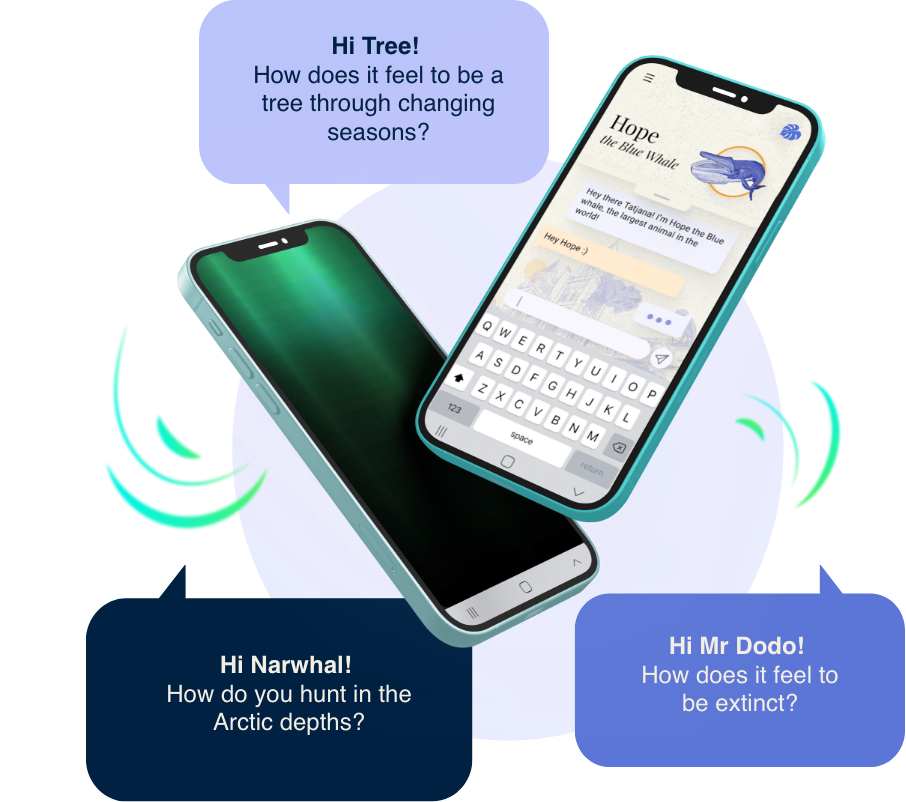
It is age-aware, multilingual, culturally attuned, and responsive to different levels of knowledge. Offering meaningful interactions for everyone, from young children to experienced professionals. We want people to interact directly with nature, not their screens, so our platform minimises screen-time and encourages real- world connection and presence.
Each simulation is specifically designed for scientific accuracy, immersiveness and empathy, incorporating elements such as:
Sourced from latest research in biology, ecology, ethology, and environmental sciences.
That reveal the world as other species perceive it and allow imagining their lived experiences.
With each entity having its own life history and personality.


We’re guided by theories of agency and representation. Thinkers like Bruno Latour and Hanna Pitkin inform our approach - ensuring that nature isn’t just symbolically included, but actively represented and given agency in human systems.
First-person perspectives enable empathy. Hearing the experiences of another being in their own “voice” increases emotional connection and helps us relate across differences.
The simple act of imagining another’s experience - what psychologists call perspective-taking - is shown to evoke empathy and reduce bias.
We take inspiration from Donella Meadows’ systems thinking, which shows that the most powerful leverage points for change lie in shifting the mindsets and worldviews that shape how people see the world. By pioneering a new medium of engagement, we address this deepest level of change - transforming how people perceive, interact, and relate to nature.
Dialogue is a natural, powerful way for humans to learn, far more engaging and memorable than passive content. Conversation shifts us from learning about nature to learning from and with nature.
A first-of-its-kind database of human-nature interactions, unlocking new research possibilities in social, behavioural, and conservation sciences.
A research platform enabling scientists to study human-nature relationships in novel ways and launch new research projects.
New impact measurement tools combining textual analysis with behavioural data to track shifts in what people feel, think and do for nature.
We convene interdisciplinary panels to develop best practices and share ethical guidelines, shaping the future of Al-powered engagement with nature. We ensure the usage is positive and constructive, and immune to abuse. Our models are grounded in science, represent nature with care and respect, and are designed to inspire real-world, unmediated connection with the living world beyond the screen.
Families, school groups, and hikers encounter immersive simulations throughout this 2.3 km woodland trail – hearing from an ancient oak, a song thrush, a mother bat, a tardigrade, and even a photon of light. Each perspective reveals unseen stories of the forest, inspiring visitors to notice, slow down, and reconnect with the living world around them..
In partnership with EcoPeace Middle East, we brought the perspective of the Jordan River to communities across the region. Through first-person conversations, audiences explored the river’s cultural, ecological, and spiritual significance – supporting EcoPeace’s mission of environmental peace-building and cross-border cooperation.
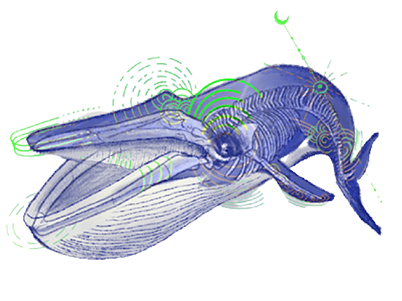
Mano‘olana, a simulated humpback whale, welcomed global delegates, environmentalists, and youth activists into conversations about ocean health, migration, and humanity’s responsibility to the more-than-human world. The experience invited decision-makers to consider nature’s voice directly within climate deliberations.
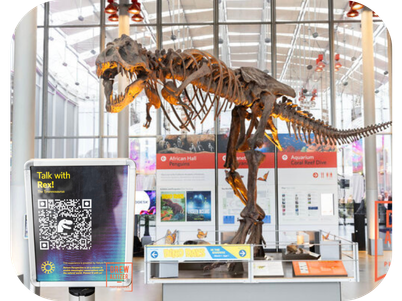
For the Academy’s Big Bang gala, visitors engaged with first-person simulations of Claude the albino alligator, Methuselah the 100-year-old lungfish, an elder penguin named Opal, and a resident T. rex. Each perspective offered intimate stories of survival, evolution, and resilience, deepening guests’ connection to the Academy’s most iconic beings.
A migratory nightjar guided visitors through tales of twilight hunts, trans-continental flights, and the fragile habitats it depends on. The simulation invited festival-goers to step into the bird’s aerial world, sparking curiosity and care for the species that weave through the New Forest’s ecosystems.
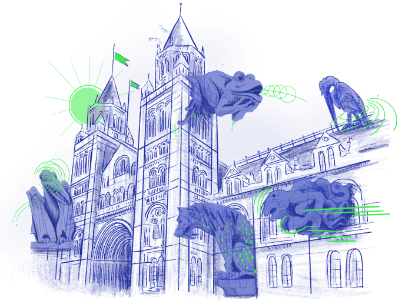
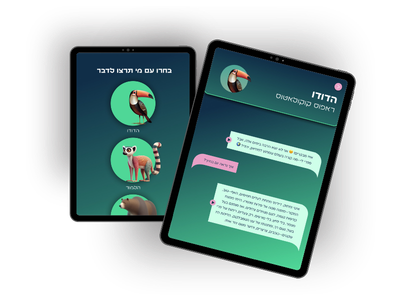
Nature Perspectives brought first-person simulations into the “Nature’s Wisdom” gallery, allowing visitors to speak with iconic species from the region such as the Fennec fox, the Griffon vulture and more. The experience invited audiences to engage in conversation with the exhibits and reflect on survival, adaptation and humanity’s place within the living world with a unique and customised tablet-view interface.